
What Is Salesforce and Why Are Salaries So Competitive in This World?

When I first heard the word Salesforce, I thought it was just another enterprise software product. I had no idea it would end up becoming one of the most important professional decisions of my life.
And you have probably not heard much about it either.
Curiously, Salesforce moves millions of dollars inside companies all over the world, but outside the tech industry very few people really know what it is.
In this article I want to explain:
- what Salesforce is,
- why companies pay such competitive salaries,
- how this ecosystem really works,
- and how I ended up in this world almost by accident.
What is Salesforce?
Salesforce is the most widely used CRM in the world.
But before going further, there is an important question worth answering.
What is a CRM?
A CRM (Customer Relationship Management) platform helps companies manage their relationship with customers.
In simple words, it allows businesses to organize customer information, sales, follow-ups, support, automations, and internal processes in one place.
For example, it helps teams:
- register customers,
- track sales,
- manage opportunities,
- automate emails,
- handle support cases,
- create reports,
- and much more.
Many people think Salesforce is only “a CRM,” but in reality it is much bigger than that.
Salesforce Is Not Just a Tool
One of the things that surprised me the most when I entered this world was understanding that Salesforce is not just an app for selling.
In practice, it is a full ecosystem of enterprise solutions.
Inside Salesforce there are different clouds and products for areas such as:
- sales,
- customer service,
- marketing,
- automation,
- analytics,
- insurance,
- healthcare,
- ecommerce,
- application development,
- and more.
That was when I understood something important: Salesforce is not only about programming.
That was also one of my biggest shocks at the beginning.
How I Got Into Salesforce
When I was finishing university, I had the same idea many computer science students have: I wanted to work in web development and become a programmer.
At that moment, my idea of “working in technology” looked like this:
- writing code,
- building applications,
- creating websites,
- using frameworks,
- learning programming languages.
And honestly, that was not a bad vision. I think most of us imagined that path.
When I finished my degree, I felt a lot of pressure to get a job quickly and start becoming financially independent.
That is why I joined a web development bootcamp, because at university I had basically only learned Java.
Some time later, I found a LinkedIn post about another bootcamp.
And I thought:
“Another bootcamp?”
But there was something different: it was paid.
At that moment I did not really understand what Salesforce was or why a company would pay to train people.
The real idea behind the program was simple: train people in Salesforce and then help them work inside that ecosystem.
Without realizing it, I ended up entering a completely different industry from the one I had imagined.
The Truth: At First I Hated Salesforce
Yes, literally.
When I started, I did not like the platform.
I wanted to program everything. I wanted to write code, build functions, create logic from scratch, and feel like I was “building real software.”
But Salesforce had something different: it included low-code tools alongside traditional programming.
And that clashed hard with the idea I had of being a developer.
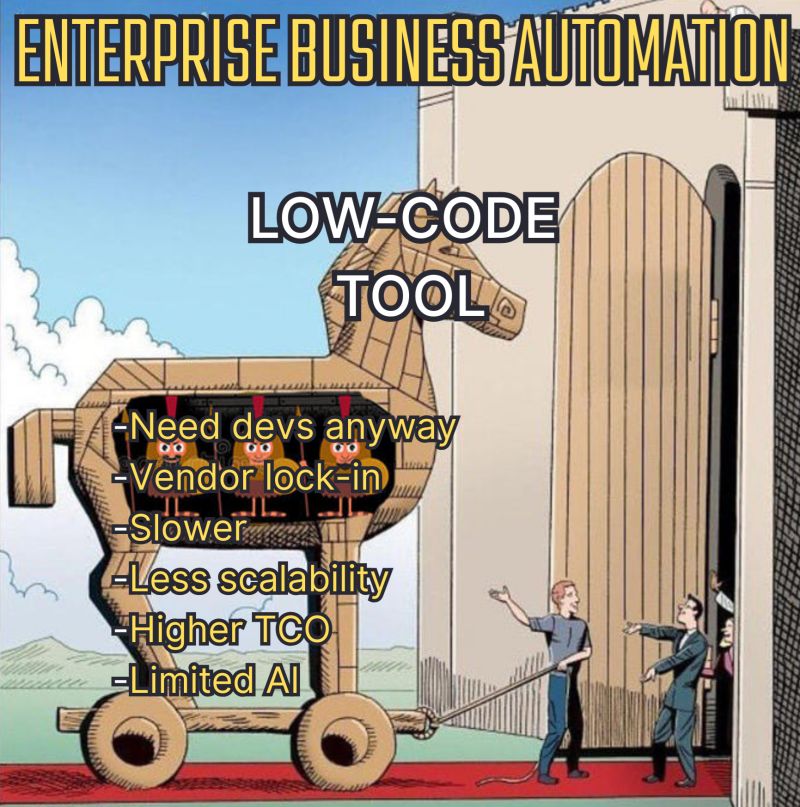
Over time I understood something important: in Salesforce, programming is only one part of the job.
That idea changed my perspective a lot.
Salesforce is designed to solve business problems quickly, in a scalable and organized way. Many times, you do not need to build everything from scratch. The platform already includes tools, structures, and solutions so companies can focus more on their processes than on reinventing basic technology.
At first that frustrated me, but later I understood its value.
So Why Does It Pay So Well?
This is probably the question most people ask when they discover Salesforce.
And the answer is not as simple as “just because.”
There are several reasons.
1. Demand Is Very High
Thousands of large companies use Salesforce: banks, insurance companies, retailers, telecoms, healthcare organizations, startups, and international corporations.
And all of them need profiles such as:
- developers,
- admins,
- architects,
- consultants,
- analysts,
- functional specialists.
The problem is that there are not enough specialized professionals.
2. Salesforce Is Not Easy to Master
From the outside it can look simple because it has a lot of visual tools.
But once you enter real projects, especially enterprise ones, you realize the complexity is huge.
There are:
- integrations,
- automations,
- security,
- architecture,
- performance,
- business processes,
- complex logic,
- large data volumes,
- and massive customizations.
That is when you understand why companies need people who are truly prepared.
3. The Ecosystem Moves a Lot of Money
Salesforce is present in massive enterprise projects.
And when a company invests millions in its operations, it needs people who can keep critical systems running correctly.
A mistake can affect:
- sales,
- customer service,
- insurance,
- payments,
- and entire operations.
That is why specialized knowledge becomes so valuable.

What I Learned After More Than 4 Years
After several years working in Salesforce, I understood that the tech industry is much broader than I imagined when I was in university.
I also understood that:
- not everything is programming,
- not everything is code,
- and solving business problems has tremendous value.
Honestly, I am grateful that I took that opportunity, even though at first I did not really know where I was heading.
Because thanks to that:
- I grew professionally,
- I learned how large projects work,
- I worked with important companies,
- and I built a lifestyle that once felt very far away.
And the most curious thing is that it all started with a random LinkedIn post.
Final Reflection
Many people want to enter technology thinking only about learning a language, building applications, or getting a high salary quickly.
But reality is more complex.
The tech industry has many areas, specialties, and paths that almost nobody knows when they are just starting out.
Salesforce was one of those paths for me.
And even though it was not what I expected at first, it ended up opening doors I had never imagined.